People
The teachers, poets and reformers of the Gaudiya Vaishnava tradition, from the sixteenth-century Gosvamis of Vrindavan to the twentieth-century founders of missions in India and abroad.
- A.C. Bhaktivedanta Swami: from Calcutta to a worldwide movement
A.C. Bhaktivedanta Swami (1896–1977) was a Calcutta businessman who became a monk at 63, sailed to New York in 1965 and founded ISKCON. A sourced account of his life, his books and the debates over his legacy.
- Abhay Charan De's Calcutta: family, childhood and early years
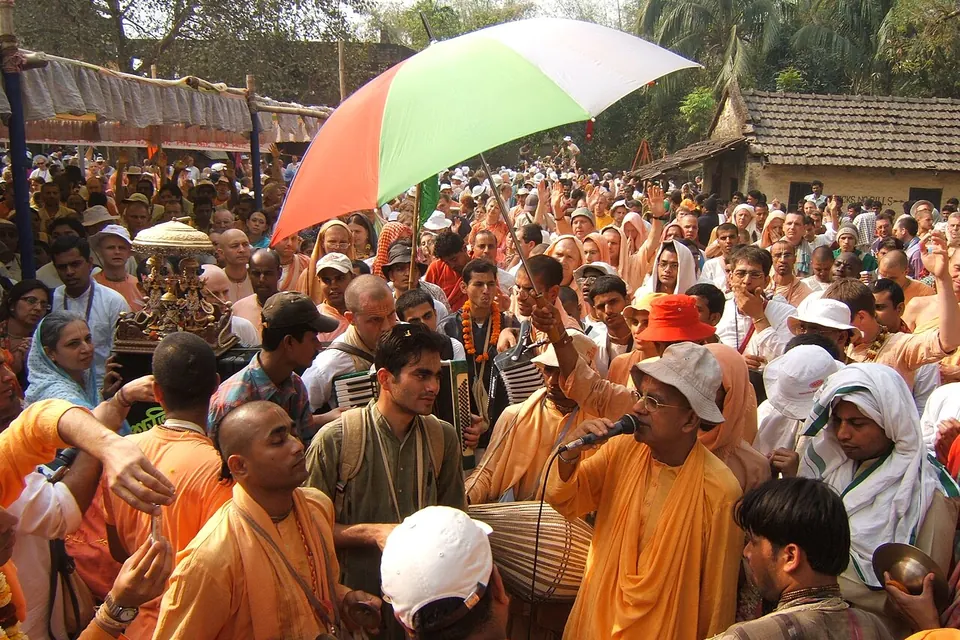
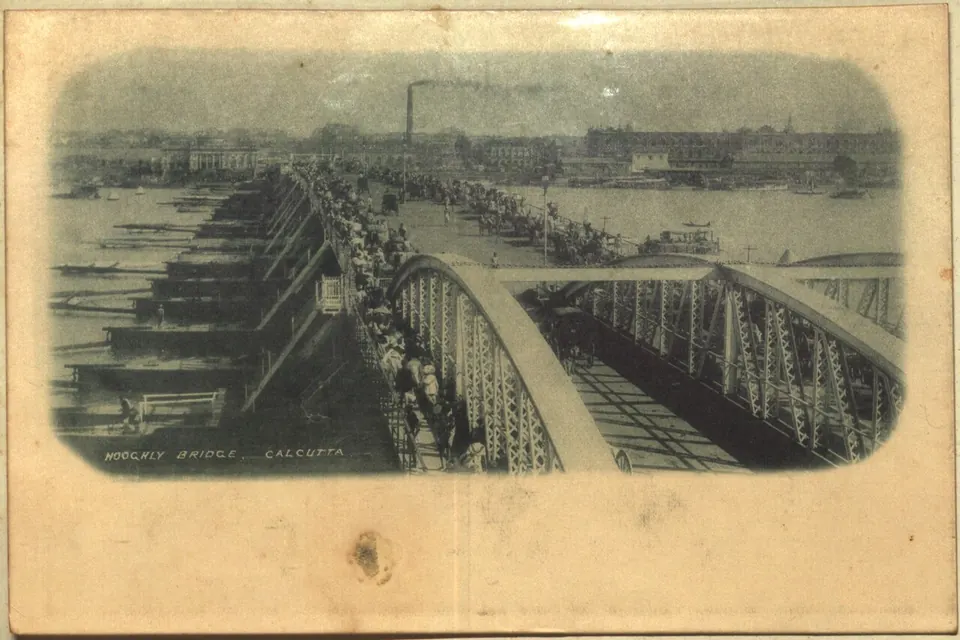
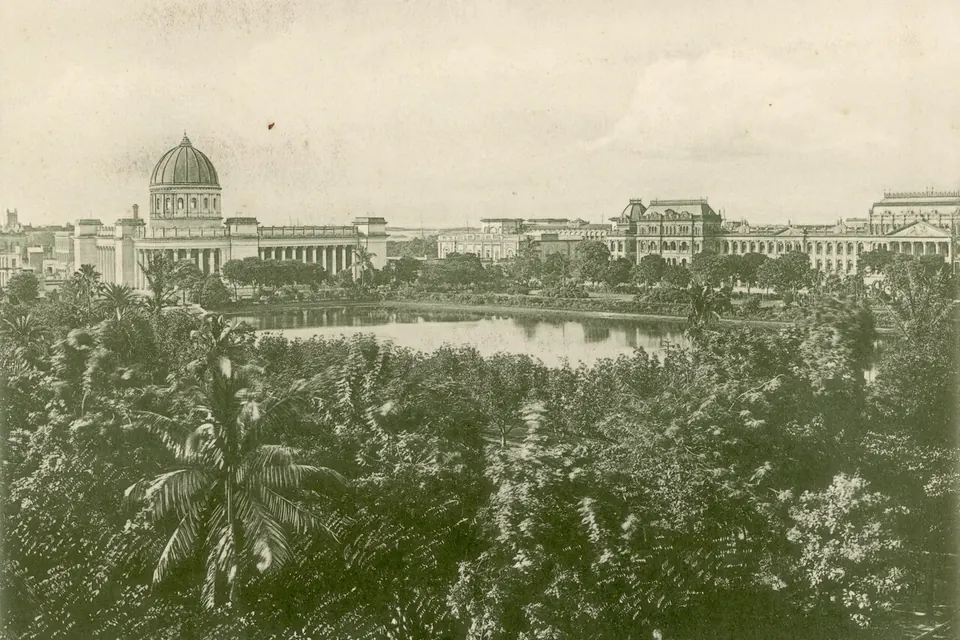
Before he became A.C. Bhaktivedanta Swami, Abhay Charan De grew up in a merchant family of north Calcutta. What published sources say about his parents, his childhood chariot festival, his college years and his entry into business.
- Bhakti Ballabh Tirtha and his writings on the avatars
Bhakti Ballabh Tirtha (1924–2017) led the Sree Chaitanya Gaudiya Math from 1979. A profile of his life and books, and a guide to the themes of the essays once collected under his name: the avatars of Vishnu and the associates of Chaitanya.
- Bhakti Prajnana Keshava and the Gaudiya Vedanta Samiti
Bhakti Prajnana Keshava (1898–1968), a disciple of Bhaktisiddhanta Sarasvati, founded the Gaudiya Vedanta Samiti in 1940 and in 1959 gave the vows of renunciation to A.C. Bhaktivedanta Swami. A sourced profile.
- Bhakti Raksaka Sridhara and Sri Chaitanya Saraswat Math
Bhakti Raksaka Sridhara (1895–1988), a Sanskrit poet and theologian of the Gaudiya Math, founded Sri Chaitanya Saraswat Math in Navadvipa in 1941. His life, his Sanskrit and English works and his influence on Western followers in the 1980s.
- Bhaktisiddhanta Sarasvati and the Gaudiya Math
Bhaktisiddhanta Sarasvati (1874–1937), son of Bhaktivinoda Thakura, founded the Gaudiya Math, a renunciant mission with dozens of centres, printing presses and preachers in Europe. His life, his reforms and the controversies they caused.
- Bhaktivinoda Thakura: magistrate, writer and reformer
Kedarnath Datta, known as Bhaktivinoda Thakura (1838–1914), was a colonial magistrate who became the leading reformer of Bengali Vaishnavism. His career, his books and songs, his identification of Chaitanya's birthplace and his legacy.
- Chaitanya (1486–1534): life, sources and legacy
Chaitanya, the Bengali saint at the origin of Gaudiya Vaishnavism: his life in Navadvipa, his renunciation and travels, his eighteen years in Puri, the biographies that tell his story, his teaching on the holy name and what historians can say about him.
- Gopal Guru Gosvami and the Radhakanta Math of Puri
Gopal Guru Gosvami, a disciple of Vakreshvara Pandita, was the first head of the Radhakanta Math in Puri, the house where Chaitanya is said to have spent his last years. What the tradition says about him and his successor Dhyanachandra.
- Jiva Gosvami: the systematic theologian of Vrindavan
Jiva Gosvami (c. 1513–1598), nephew of Rupa and Sanatana, gave the Gaudiya tradition its philosophical framework in the Sat-sandarbha. His life, his main works, the Radha-Damodara temple and his role in sending the Vrindavan books to Bengal.
- The Six Gosvamis of Vrindavan
Rupa, Sanatana, Jiva, Gopala Bhatta, Raghunatha Bhatta and Raghunatha Dasa: the six scholars and ascetics who settled in Vrindavan in the sixteenth century, wrote the theology of the Gaudiya tradition and helped turn the town into a pilgrimage centre.