Kazakhstan and the Hare Krishna farm near Almaty, 2006–2008
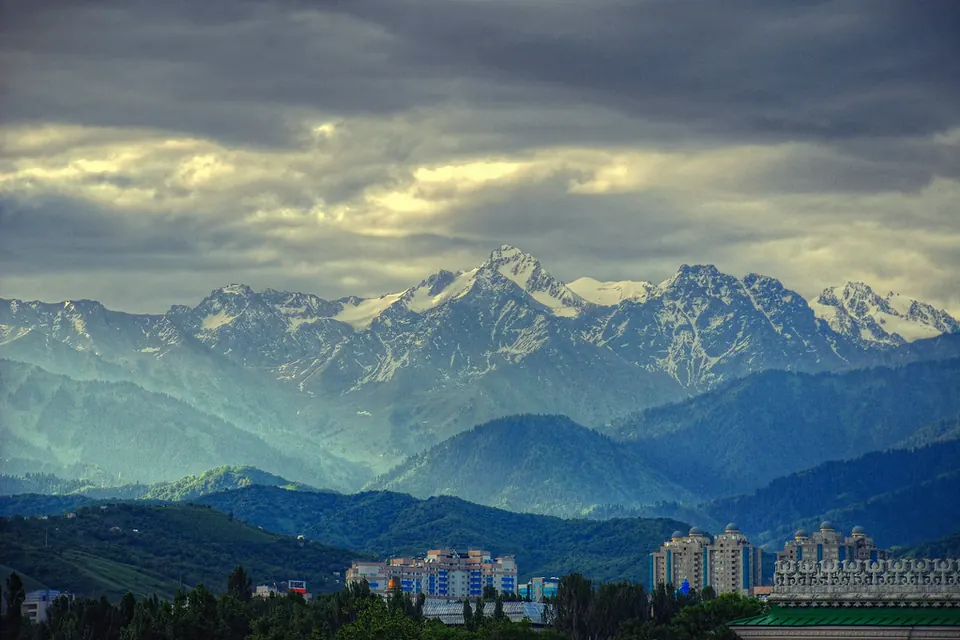
From 2006, a dispute over a Hare Krishna farming community near Almaty became one of the most reported religious freedom cases in Central Asia. Homes were bulldozed, court cases multiplied and the issue was raised in international forums while Kazakhstan was seeking to chair the Organization for Security and Co-operation in Europe (OSCE). An update on the dispute was once published at this address; this is a new summary based on independent reporting.
The community
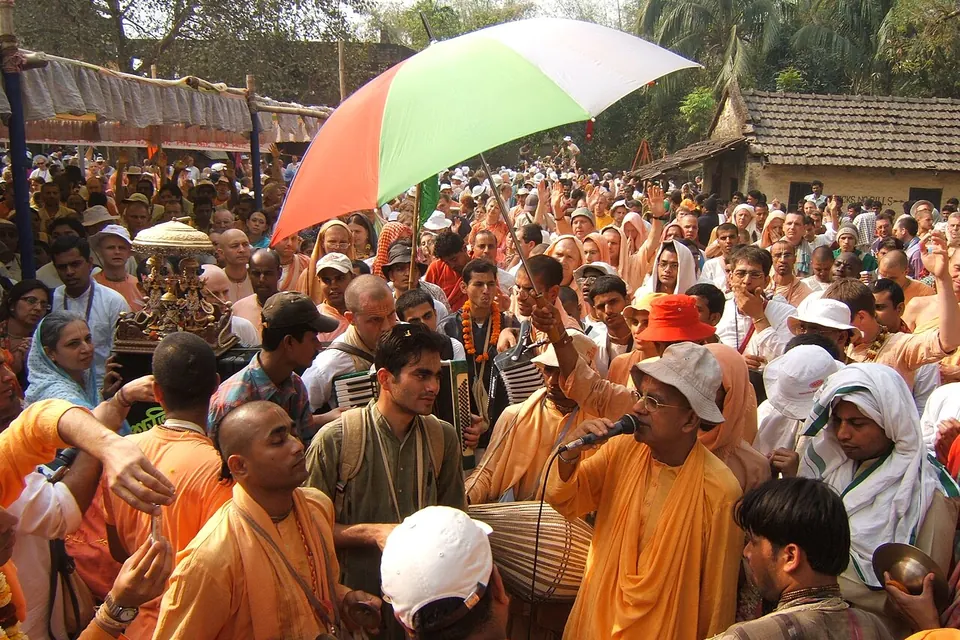
The community, known to its members as Sri Vrindavan Dham, occupied a plot of farmland in the Karasai district, on the outskirts of Almaty, the country's largest city. It had been acquired in the late 1990s and included a temple, a farm and houses belonging to followers of the International Society for Krishna Consciousness, a registered religious organisation in Kazakhstan.
The demolitions
In 2006 local authorities challenged the legality of the land's transfer and of its use for housing. According to Forum 18, an Oslo-based news service that monitors religious freedom, bulldozers began demolishing houses on the site on 21 November 2006; by the end of that week about a dozen homes had been destroyed. Officials told reporters that the dispute was about land law, not religion, while community members said they had not been given proper notice and that other residents with similar titles had not been targeted. Radio Free Europe/Radio Liberty later put the total number of demolished houses at around twenty.
Demolitions resumed briefly in March 2007, after a court decision, and were halted the same day; Forum 18 reported members' accounts of confusion over who had ordered the stop. Appeals went up through regional courts during 2007, and the remaining buildings, including the temple, remained under threat in reports published in 2008.
International attention
The case drew statements from human rights organisations, from the United States Commission on International Religious Freedom and from the US State Department's annual religious freedom reports, which cited it as an example of pressure on minority religions in Kazakhstan. It was discussed in the context of Kazakhstan's bid to chair the OSCE, which it obtained in 2007 for the year 2010. Indian politicians and religious leaders also raised it with Kazakh officials, given the movement's Indian origins.
Wider context
The Almaty dispute took place against a broader tightening of religious regulation in Kazakhstan, culminating in a restrictive law on religion in 2011 that required all communities to re-register. Observers note that small religious groups, whether Protestant, Muslim minorities or new religious movements, were affected by inspections, fines and property disputes during this period. The Hare Krishna case was one of the most visible because of the demolition of homes.
The legal arguments
According to the reports, the authorities' case rested on the claim that the land had been transferred to the community improperly, and that its designation as agricultural land did not allow residential use. Officials also argued that individual members, rather than the religious organisation, held some of the titles, and that the courts could therefore order the transfer or demolition of buildings without affecting the community's right to worship. The community replied that it had bought the land legally, had paid taxes on it for years and had been singled out among many owners in similar situations. Independent observers who visited the site noted that neighbouring properties with a similar status had not been targeted.
Courts at district and regional level largely sided with the authorities. Appeals continued into 2007 and 2008, alongside negotiations in which the government offered alternative land elsewhere, an offer the community did not accept on the terms proposed, according to reports at the time.
Reactions abroad
Statements of concern came from diplomats, from the OSCE's office responsible for human rights and from religious freedom organisations. In India, where ISKCON is a large and well-connected organisation, the case was raised by politicians and religious leaders and covered in the press. Reporting by RFE/RL and Forum 18 gave a detailed chronology, while Kazakh officials maintained in public statements that the issue was purely one of land law.
Why the case mattered
The Almaty dispute drew attention because it combined visible destruction of homes with a religious minority, in a country that presented itself internationally as a model of interfaith harmony and hosted large congresses of world religious leaders. For observers of religious freedom in Central Asia, it became a reference case cited in later reports on property disputes involving minority communities. For the Hare Krishna movement, it was one of several episodes in the former Soviet space, alongside earlier persecution under Soviet rule and later restrictions in other post-Soviet states, that shaped its relations with governments in the region.
This article replaces an older page at this address that carried a contemporary update written by a participant. Readers seeking the community's own account can consult the archives of the movement's news services; the independent sources listed below give the reporting on which this summary is based.
The Hare Krishna movement in Kazakhstan
Followers of ISKCON appeared in Kazakhstan in the late Soviet period, when the movement spread informally across the USSR despite official hostility. After independence in 1991 communities formed in Almaty and other cities and obtained registration. They were small, numbering at most a few thousand people, and drew members mostly from the Russian-speaking urban population. The farm near Almaty was intended as a rural centre with a temple, gardens and homes, following a model of farm communities that the movement had developed in several countries.
This background explains why the case was followed closely by religious freedom monitors: it concerned a legally registered community, not an unregistered group, and its outcome was seen as a test of how property law would be applied to religious minorities.
Sources and further reading
- Forum 18 News Service, reports on Kazakhstan, November 2006 to 2008: forum18.org.
- Radio Free Europe/Radio Liberty, reports on the Hare Krishna community near Almaty, 2006–2007: rferl.org.
- US Department of State, International Religious Freedom Report 2007: Kazakhstan.
- Forum 18, "Kazakhstan: Religious freedom survey" (periodic surveys).